
The Architectural Ties Between Guam and the Philippines:
A Legacy of Design, Engineering, and Vision
The built environment of Guam tells a story of cultural exchange, resilience, and innovation, and central to that story is the enduring partnership between Guam and the Philippines. For over a century, Filipino architects, engineers, and designers have made profound contributions to the island’s infrastructure, leaving a legacy of creativity and expertise that continues to shape Guam’s development.
The Philippines has been instrumental in Guam’s design and construction industry due to several key factors: proximity, historical connections, a shared cultural heritage, and a strong foundation in technical expertise and design talent.
Historical and Cultural Connections
The shared history between Guam and the Philippines dates to the Spanish colonial period, when both territories were part of the Spanish East Indies. The Spanish introduced Catholicism, European architectural influences, and a reliance on Filipino labor to build key structures. This shared heritage laid the foundation for architectural collaboration in the centuries to come.
During the 20th century, Guam’s rebuilding efforts after World War II, when much of the island’s infrastructure was destroyed, saw a significant influx of Filipino professionals. The devastation of Hagåtña, Guam’s capital, necessitated large-scale reconstruction, and the Philippines’ skilled architects, engineers, and builders became essential partners in these efforts.
Proximity and Availability of Skilled Labor
The geographic proximity of the Philippines to Guam made it a natural partner for supplying skilled professionals. While Guam experienced rapid modernization in the post-war years, the local population was relatively small, and the demand for technical expertise in design and construction quickly outpaced the availability of local professionals.
The Philippines, by contrast, had a well-established education system that produced highly skilled architects and engineers. Many Filipino professionals were educated at prestigious institutions like the University of the Philippines, Mapua Institute of Technology, the University of Santo Tomas, and the National University, which offered programs aligned with international standards. These professionals brought with them a strong technical foundation, making them well-suited to meet Guam’s growing needs.
Contributions to Key Projects and Infrastructure
Filipino architects and engineers have been involved in some of Guam’s most iconic structures and essential infrastructure projects.
One standout example is the connection between Antonio “Tony” Dimalanta, AIA, a leading figure in Philippine architecture, and the design of Guam’s Dulce Nombre de Maria Cathedral-Basilica. As the president of Trans Asia Architects and Engineers, Dimalanta’s firm not only contributed to major projects in the Philippines, such as collaborations with renowned architect Leandro Locsin, but also extended its expertise to Guam. His firm established a branch office, Tracen, to focus on U.S. Navy projects in the region, which opened opportunities for other Filipino engineers and architects to contribute to Guam’s development. Another prominent architect of the same era was Fernando Bernardo, AIA.
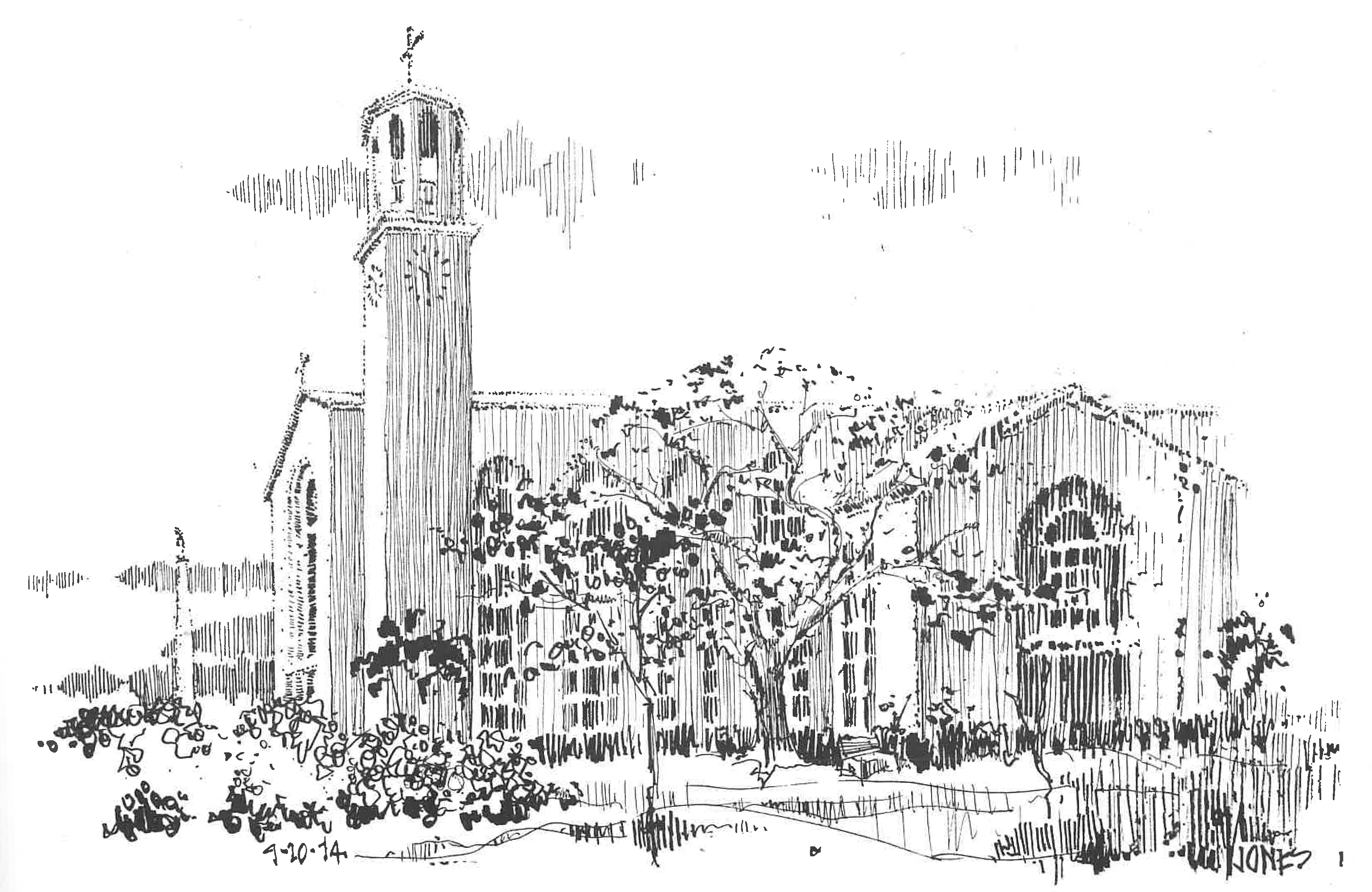
Filipino professionals also worked on major housing developments, educational facilities, churches, and critical infrastructure projects such as water systems, power plants, and roads. They became the design and production backbone of other AE firms. The first to break away and establish their own firms were Alfredo Arizala, AIA and Nick Costiniano PE, and were later joined by George Villareal, AIA. Many others, each with their own stories and contributions, were to follow.
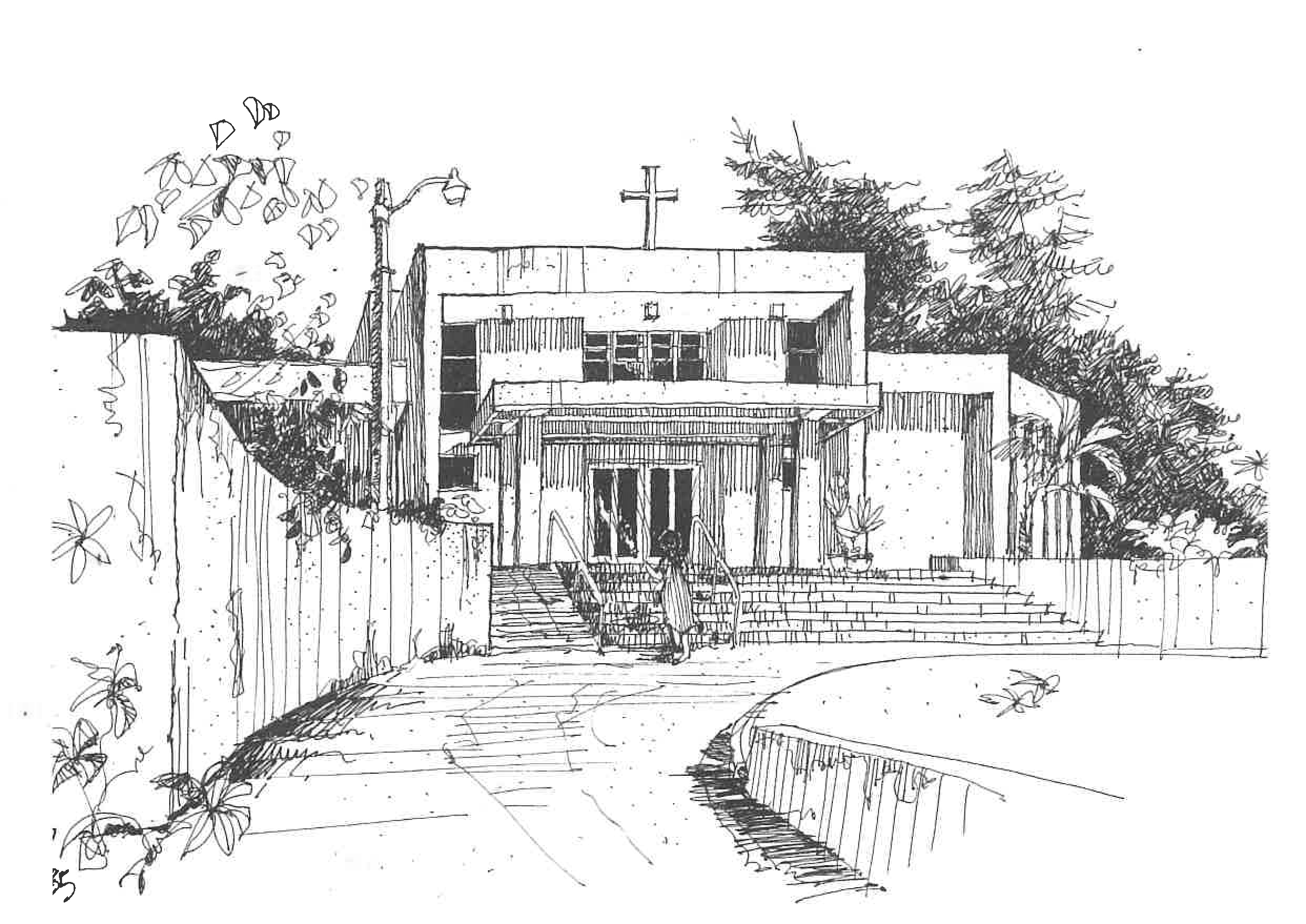
by Arizala-Costiniano-Villareal & Associates
Cultural Understanding and Adaptability
The cultural similarities between Guam and the Philippines—rooted in shared traditions, values, and Catholic heritage—allowed Filipino professionals to approach projects with a deep understanding of the island’s needs. This cultural synergy made Filipino architects and engineers adept at creating designs that respected Guam’s traditions while incorporating modern techniques.
For example, churches designed or built by Filipino professionals often reflected the architectural grandeur and spiritual significance seen in both Philippine and Chamorro cultures. Similarly, residential and commercial buildings were designed with an understanding of the tropical climate, emphasizing ventilation, durability, and materials suited to the island’s environment.
An Ongoing Legacy of Talent
The contributions of Filipino professionals to Guam extend far beyond individual projects; they have fostered a tradition of collaboration that continues to shape the island’s future. The establishment of such firms provided opportunities for Filipino engineers and architects to build their careers on Guam, with many transitioning to leadership roles or founding their own firms. Filipino families on Guam often include multiple generations of designers and engineers, continuing the tradition of excellence.
The island’s professional organizations, The American Institute of Architects local chapter, the Guam Society of Professional Engineers, along with scholarship of the Society of American Military Engineers, and later, contributions from the Filipino American Society of Architects and Engineers, helped each other in their own way to recognize the critical contributions from Filipinos and other ethnic groups to Guam’s built environment.
Today, as Guam faces new challenges such as climate resilience, sustainable urban planning, and a growing demand for modernized infrastructure, the contributions of Filipino and other ethnic group professionals remain indispensable. They continue to produce a steady stream of highly skilled professionals who bring innovation, expertise, and cultural insight to Guam’s design and construction industry.
Filipino architects and engineers have not only built structures but also forged lasting relationships between Guam and the Philippines. Their work reflects a shared history and a common vision for the future, ensuring that the architectural and engineering legacy of these two regions continues to thrive.
As we look to the future, the enduring partnership between Guam and the Philippines will remain a cornerstone of the island’s growth, ensuring that Guam’s architectural landscape reflects both its rich history and its aspirations for a resilient and inclusive tomorrow.
Contributors: Tato Martinez, AIA and Jack Jones, FAIA.
Sketches along with many others are in Architecture and Architects of Guam by JB Jones and published by the Guam Preservation Trust.
 AIA Marianas